Performance Monitoring Overview: 651069872, 8882502789, 911106726, 6783451348, 1300797716, 8884135452
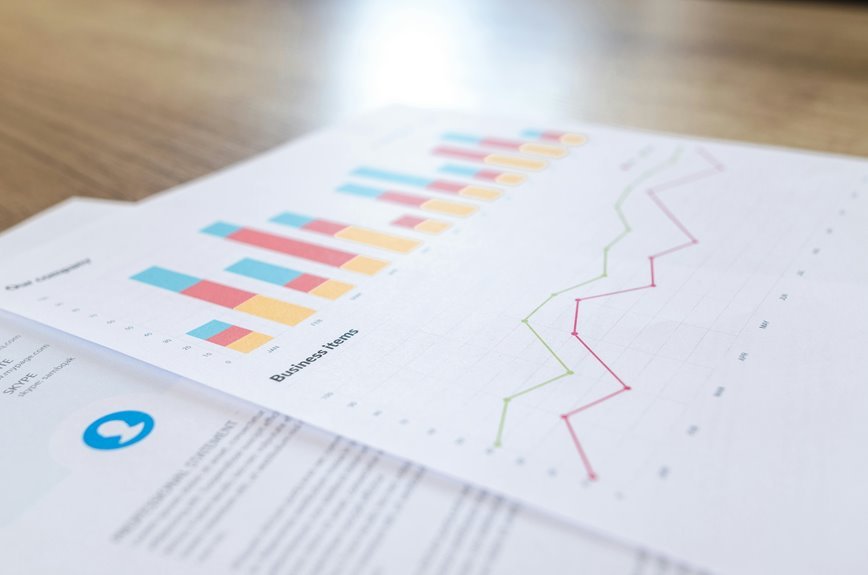
Performance monitoring serves as a crucial mechanism for organizations to assess their operational effectiveness. It relies on specific benchmarks and tools to collect and analyze relevant data. By doing so, organizations can pinpoint their strengths and weaknesses, guiding strategic decision-making. This structured approach not only fosters improvement but also aligns team efforts with measurable outcomes. However, the nuances of implementing these strategies and interpreting the data can significantly impact their effectiveness. What challenges might arise in this process?
Understanding Performance Monitoring
Although performance monitoring may initially seem straightforward, it encompasses a complex array of processes designed to evaluate the efficiency and effectiveness of various systems and individuals.
Essential to this endeavor are performance benchmarks, which provide measurable standards, and monitoring tools that facilitate data collection and analysis.
Together, these components ensure a comprehensive understanding of performance, ultimately fostering an environment where individuals can pursue greater freedom and improvement.
Key Performance Metrics Explained
Key performance metrics serve as critical indicators that provide insight into the effectiveness of operations within various domains.
These key metrics facilitate the assessment of performance indicators, enabling organizations to identify strengths and weaknesses.
Implementing Effective Monitoring Strategies
Implementing effective monitoring strategies requires a systematic approach that aligns with organizational goals and performance metrics.
Emphasizing real-time tracking enables organizations to identify trends swiftly, facilitating proactive adjustments. This responsiveness not only enhances operational efficiency but also empowers teams to adapt to changing conditions.
Analyzing and Interpreting Data for Improvement
When organizations prioritize the analysis and interpretation of data, they unlock valuable insights that drive improvement initiatives.
By employing data visualization techniques, they can present complex information clearly, facilitating understanding.
Additionally, trend analysis enables organizations to identify patterns over time, informing strategic decisions.
Together, these methodologies empower organizations to adapt, innovate, and enhance overall performance, fostering a culture of continuous improvement.
Conclusion
In conclusion, performance monitoring serves as the compass guiding organizations through the tumultuous seas of business. By harnessing key performance metrics and implementing strategic monitoring practices, organizations can chart their course toward continuous improvement. The analysis and interpretation of data act as the lighthouse, illuminating strengths and weaknesses alike, ultimately fostering a culture of innovation and resilience. Through this structured approach, organizations not only navigate challenges but also thrive, transforming potential obstacles into stepping stones for success.