Comprehensive System Tracking: 600000000, 848980725, 8664695427, 8334313079, 7204990352, 620242357
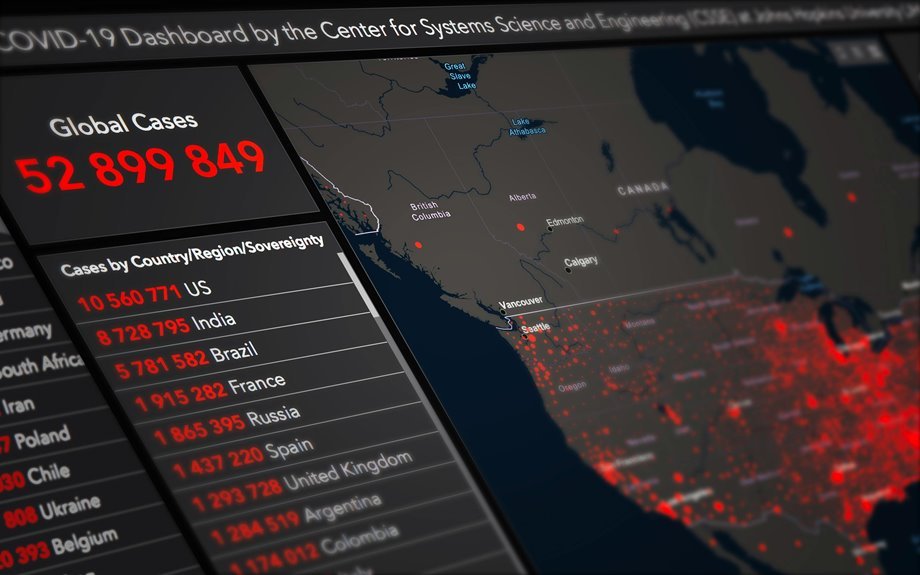
Comprehensive system tracking is increasingly vital for organizations seeking operational efficiency and data accuracy. By employing advanced technologies, entities can monitor real-time data, facilitating prompt responses to emerging challenges. The integration of IoT and GPS enhances location tracking and connectivity, enabling insightful analysis of extensive datasets. As sectors adapt to dynamic environments, understanding the nuances of these tracking systems becomes crucial for maintaining a competitive edge. What implications might this have for future operational strategies?
The Importance of Comprehensive System Tracking
While many organizations prioritize operational efficiency, the significance of comprehensive system tracking cannot be overstated.
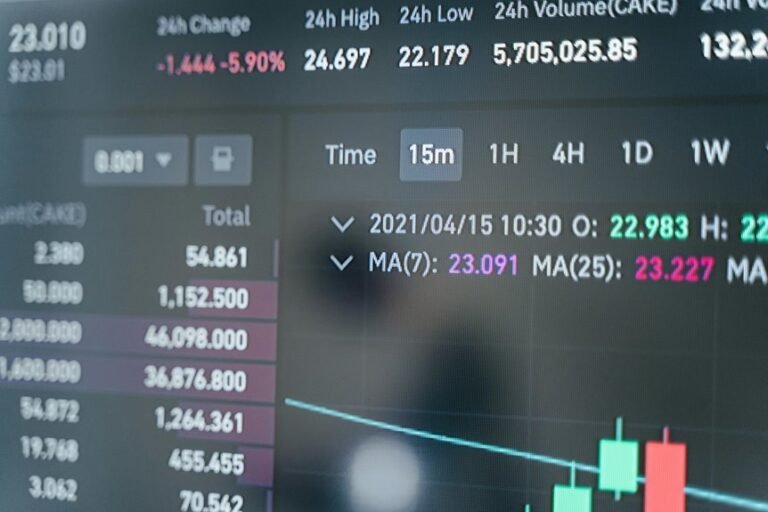
Real-time monitoring enhances data accuracy, allowing organizations to respond swiftly to emerging issues. By implementing robust tracking systems, entities can ensure reliable information flows, fostering decision-making grounded in precise data.
Ultimately, comprehensive tracking empowers organizations, promoting autonomy and adaptability in an increasingly dynamic environment.
Analyzing Large Datasets for Enhanced Decision-Making
As organizations increasingly rely on data-driven strategies, the ability to analyze large datasets becomes crucial for informed decision-making.
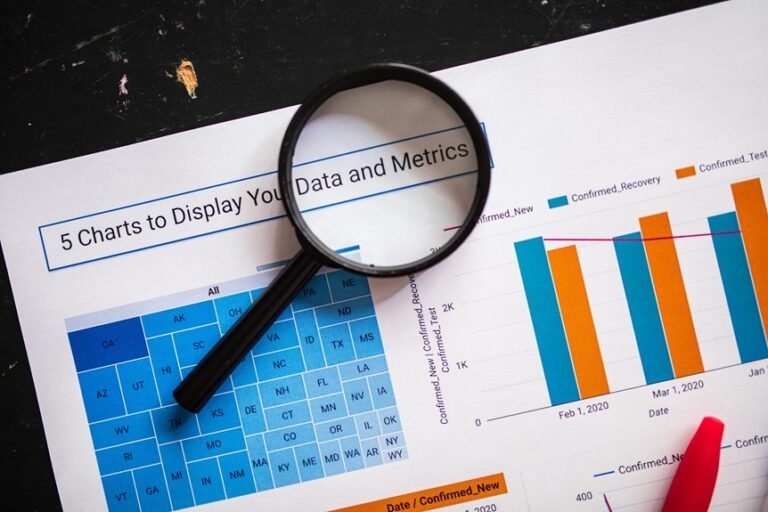
Effective data visualization techniques enhance comprehension, enabling stakeholders to discern trends and insights quickly.
Coupled with predictive analytics models, these tools empower organizations to anticipate future outcomes, fostering a proactive approach.
Thus, strategic analysis of data not only informs but also liberates decision-making processes.
Technologies Empowering System Tracking
A multitude of technologies is revolutionizing system tracking, enabling organizations to monitor operations with unprecedented accuracy and efficiency.
GPS technology enhances location tracking, while IoT integration facilitates seamless connectivity between devices.
Data visualization tools transform complex datasets into actionable insights, and real-time monitoring ensures immediate responses to operational changes.
Together, these advancements empower organizations to optimize processes and enhance decision-making capabilities.
Case Studies: Successful Implementation of Tracking Systems
Numerous organizations across various industries have successfully implemented tracking systems, showcasing the transformative impact of these technologies.
Real world applications, such as supply chain optimization and asset management, demonstrate how effective tracking can address common tracking challenges.
Conclusion
In an age where data flows like a river, comprehensive system tracking acts as a dam, regulating the stream to prevent floods of misinformation. Just as a well-constructed dam channels water efficiently for agriculture and energy, organizations can harness real-time monitoring and IoT integration to steer their operations toward success. By embracing these advanced technologies, businesses not only enhance their decision-making capabilities but also cultivate resilience in an ever-evolving landscape, securing their competitive edge.