Performance Tracking Summary: 372836215, 933300293, 7188389317, 675261807, 613145936, 931987045
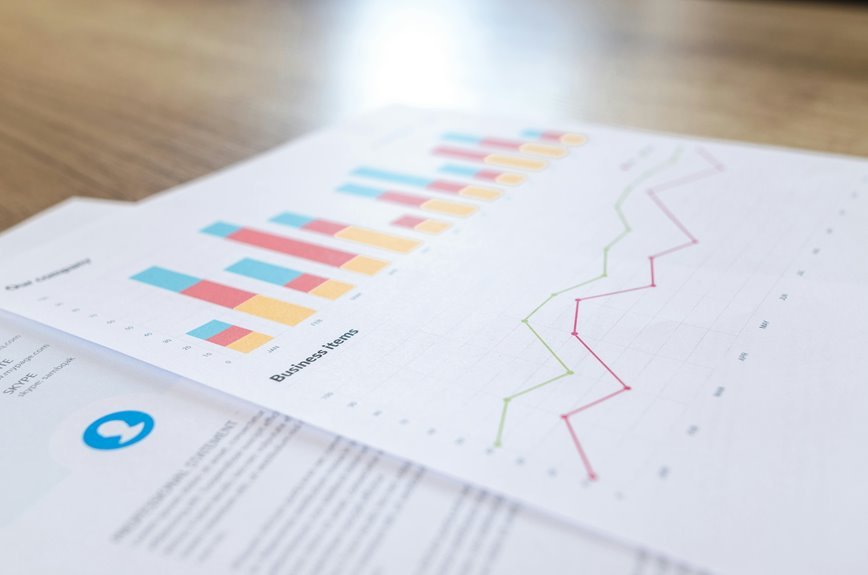
The performance tracking summary for identifiers 372836215, 933300293, 7188389317, 675261807, 613145936, and 931987045 presents a comprehensive analysis of operational metrics. It reveals critical insights into performance trends and potential gaps. Understanding these elements is essential for aligning organizational strategies with objectives. However, the implications of these findings extend beyond mere observation. What specific strategies can be implemented to address the identified areas for improvement?
Overview of Key Performance Indicators
Key Performance Indicators (KPIs) serve as critical metrics for evaluating the effectiveness of organizational strategies and operational performance.
These key metrics provide essential performance benchmarks, enabling organizations to measure progress against defined objectives.
Analyzing Trends and Patterns
While organizations implement various strategies to achieve their goals, analyzing trends and patterns within performance data becomes essential for understanding the effectiveness of these strategies over time.
Trend forecasting and pattern recognition enable organizations to anticipate future performance, identify shifts in behavior, and adapt accordingly.
This analytical approach fosters informed decision-making, ultimately enhancing overall operational efficiency and aligning efforts with broader objectives.
Identifying Areas for Improvement
Identifying areas for improvement is critical for organizations seeking to enhance performance and achieve strategic objectives.
By meticulously analyzing performance gaps, organizations can uncover valuable improvement opportunities that may have been overlooked. A targeted approach allows for focused interventions, facilitating an environment conducive to growth and efficiency.
This analytical process empowers teams to address weaknesses and leverage strengths, fostering a culture of continuous enhancement.
Strategies for Enhanced Performance Tracking
Effective performance tracking is integral to realizing the improvements identified in gaps.
Implementing real time analytics allows organizations to monitor progress dynamically, facilitating swift decision-making.
Coupling this with automated reporting streamlines data presentation, ensuring stakeholders access crucial insights efficiently.
Together, these strategies empower teams to enhance accountability and responsiveness, fostering an environment conducive to continuous improvement and greater organizational freedom.
Conclusion
In conclusion, the juxtaposition of the performance metrics reveals a stark contrast between high-performing identifiers and those lagging behind. While some demonstrate exceptional alignment with strategic objectives, others highlight critical performance gaps that demand immediate attention. This analysis underscores the necessity for targeted interventions and robust tracking mechanisms, ensuring that all teams are not only held accountable but also equipped to thrive in a competitive landscape. Continuous improvement is not merely an option; it is an imperative for sustained organizational success.